
- Avoid a Holiday Disaster with These Quick Repairs - June 4, 2025
- “These 5 DIY Wood Projects Are Trending Like Crazy Right Now” - June 2, 2025
- The Lazy Person’s Guide to Home Maintenance - May 31, 2025
Have you ever wondered where the world’s finest tools are made? From the precision of German engineering to the innovative spirit of American brands, tool companies shape how we build, fix, and create every day. Some countries have built a reputation for their tool industries that inspires awe and even a little envy. Let’s take a journey across the globe and discover the ten countries with the best tool companies, looking at what makes each place so special—and why their tools end up in workshops and garages everywhere.
Germany: The Hub of Precision Engineering

Germany stands as a giant in the tool industry, famous for its relentless focus on quality and precision. The German approach to toolmaking is almost legendary, with brands like Bosch, Festool, and Würth symbolizing reliability and engineering prowess. In 2022, Germany’s tool sector generated around €12 billion in revenue, according to industry statistics, reflecting the country’s dominant presence. German tool companies invest heavily in research and development, pushing the boundaries of technology and performance. This commitment is evident in the durability and accuracy of their products, which are prized by professionals and hobbyists alike. German tools are often described as “over-engineered”—a compliment that means they are built to last, even under the toughest conditions. The country’s educational focus on technical skills feeds directly into its manufacturing success, ensuring a steady flow of skilled workers and innovative ideas.
United States: Innovation and Variety

The United States is a powerhouse of innovation when it comes to tools, offering something for everyone. Whether you’re a professional contractor or a weekend DIYer, American brands such as Stanley Black & Decker, DeWalt, and Milwaukee are household names. The U.S. tool market was valued at about $16 billion in 2023, and it continues to grow at a healthy pace of roughly 4.5% per year. American tool companies are known for constantly introducing new features, like battery-powered cordless tools and smart technology integration. This spirit of invention is matched by a vast distribution network, making it easy for customers to find the tools they need. The United States also leads in safety standards and user-friendly designs, showing a deep understanding of both professional and consumer needs. Many American tool companies manufacture a significant portion of their products domestically, preserving high quality and supporting local jobs.
Japan: Quality and Craftsmanship
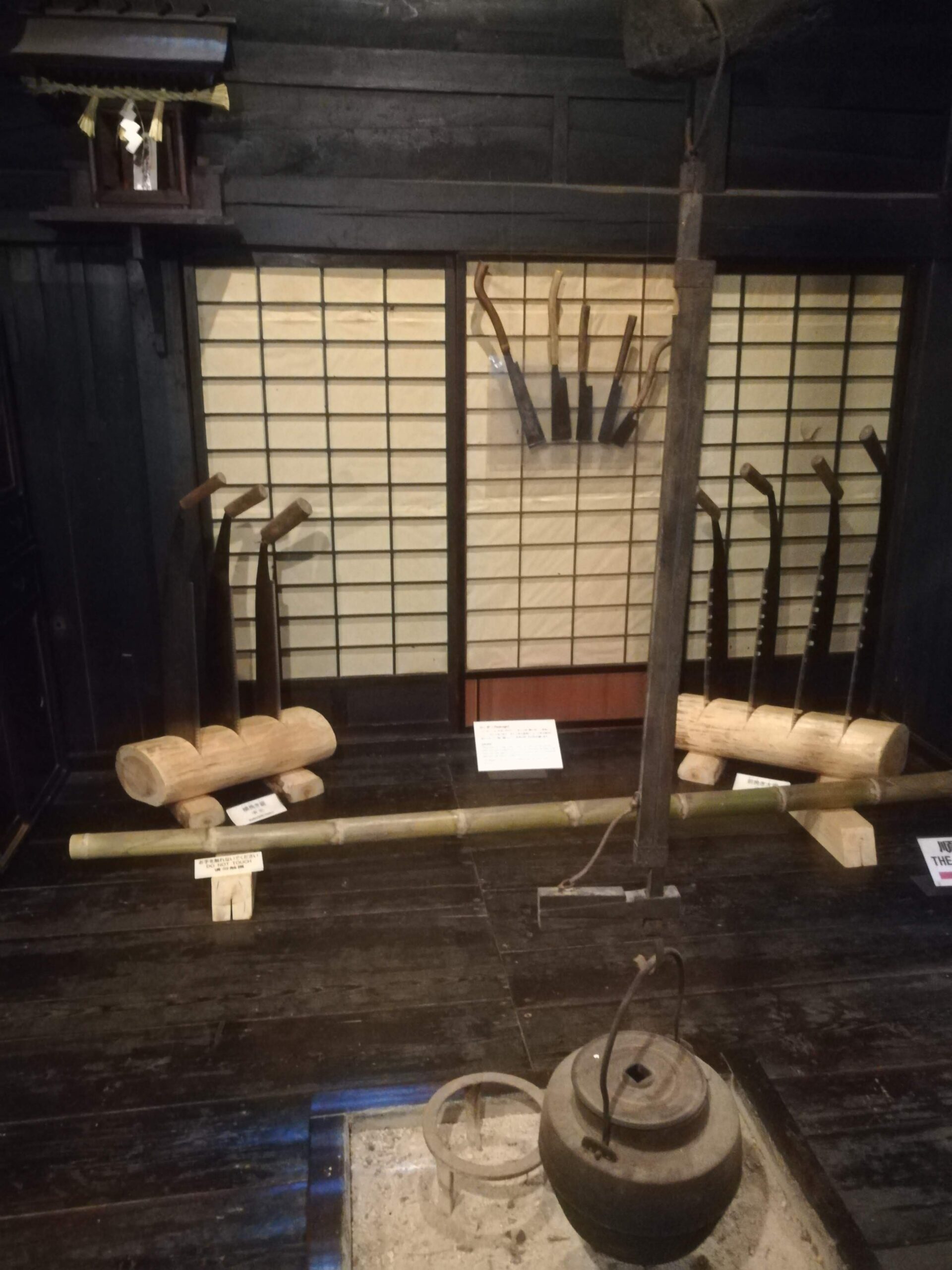
Japan’s tool industry is built on a foundation of meticulous craftsmanship and a dedication to quality that borders on obsessive. Brands like Makita, Hitachi, and Ryobi are celebrated for their tools’ longevity and user-focused design. In 2022, the Japanese tool market was worth approximately $8 billion, underscoring its strong global influence. Japanese toolmakers are renowned for their attention to detail, often refining products over decades to achieve perfection. Ergonomics is a top priority, so tools are designed to feel comfortable and effortless in the hand, reducing fatigue during long hours of work. Japanese companies also emphasize continuous improvement, adopting the philosophy of “kaizen” to make small, incremental advances in every product cycle. The result is a range of tools that combine cutting-edge technology with traditional values of precision and care.
China: The Manufacturing Giant

China has transformed itself into the world’s workshop, dominating the global tool market with its sheer scale and efficiency. The Chinese tool sector was estimated to be worth over $20 billion in 2023, driven by explosive domestic demand and massive export volumes. Companies like Hikoki, Dongcheng, and GreatStar churn out millions of tools each year, offering affordability without sacrificing essential quality. China’s strength lies in its ability to mass-produce a wide variety of tools, meeting the needs of everyone from casual home users to large industrial players. Many international brands source their products or components from Chinese factories, a testament to the country’s advanced manufacturing infrastructure. Rapid innovation and government support for industry have made China a go-to source for both budget and mid-range tools.
Italy: Design and Aesthetics

Italy brings a unique flair to the tool industry, blending eye-catching design with robust functionality. Italian brands such as Beta Tools and Usag are known for their stylish products that work as beautifully as they look. In 2022, Italy’s tool market reached around €4 billion, with a reputation for quality materials and top-notch craftsmanship. Italian tool companies are often family-run, passing down skills and secrets through generations. They specialize in niche and professional-grade tools, especially for sectors like automotive repair and woodworking. Italian tools are not just practical—they are objects of beauty, reflecting the nation’s love of art and innovation. This attention to design detail makes them a favorite among professionals who appreciate both form and function.
Sweden: Sustainability and Innovation

Sweden’s tool companies stand out for their commitment to sustainability and constant innovation. Brands such as Husqvarna and Bahco are pioneers in developing tools that are as environmentally friendly as they are effective. In 2022, the Swedish tool market was valued at about $3 billion, with a growing demand for green solutions. Swedish manufacturers often use recycled materials and energy-efficient processes, setting new standards for eco-conscious production. Their tools are engineered to last, reducing waste and supporting a circular economy. Innovation is at the heart of Swedish design, with many companies working closely with users to refine products for maximum utility. This thoughtful approach appeals to modern consumers who want to minimize their impact on the planet without sacrificing performance.
South Korea: Advanced Technology

South Korea has emerged as a leader in high-tech tool manufacturing, leveraging its national expertise in electronics and engineering. Brands like Hyundai Power Tools and KCC are at the forefront of integrating advanced features into everyday tools. The South Korean tool market was estimated at $5 billion in 2022, fueled by heavy investment in research and development. South Korean tools often include smart technology, such as app connectivity and digital displays, making them more versatile and easier to use. The country’s focus on export markets has also driven up quality standards, with products designed to meet the needs of professionals worldwide. South Korea’s rapid adaptation to new trends keeps its tool industry agile and responsive to changing demands.
Canada: Quality and Reliability

Canada’s reputation for reliability extends to its tool industry, which is respected for producing products that can withstand tough conditions. Well-known companies like Canadian Tire’s Mastercraft line and Irwin Tools cater to both professionals and home users. The Canadian tool market was valued at nearly $2 billion, with a strong emphasis on durability and performance. Canadian manufacturers often test their tools in extreme weather, ensuring they perform in the country’s harshest environments. Local sourcing of materials and a focus on quality control have helped Canadian tools earn the trust of users across North America. The Canadian market also values safety, with rigorous standards that protect workers and consumers alike.
United Kingdom: Heritage and Innovation

The United Kingdom has a long and storied tradition in toolmaking, blending historical craftsmanship with modern technology. British brands like Draper Tools and Record Power are known for their reliability and classic designs. The UK tool market was valued at about £3 billion in 2022, and it remains a vital part of the country’s manufacturing sector. British tool companies are masters at hand tools—think wrenches, saws, and screwdrivers—that have stood the test of time. At the same time, they are not afraid to innovate, adopting new materials and processes to stay ahead of the curve. The combination of heritage and forward-thinking keeps the UK a key player in the global tool scene.
France: Craftsmanship and Tradition

France is celebrated for its artisanal approach to toolmaking, where tradition meets technical expertise. Companies like Facom and PFERD are known for producing high-end tools that professionals trust. The French tool market was valued at around €3 billion in 2022, reflecting the nation’s strong industrial base. French manufacturers often use traditional techniques, blending hand-finishing with state-of-the-art machinery to achieve superior quality. Attention to detail and pride in craftsmanship are hallmarks of French tools, which are appreciated for their aesthetics as well as their performance. Specialized tools for mechanics, electricians, and woodworkers demonstrate France’s dedication to meeting the needs of skilled trades.
Switzerland: Precision and Durability

Switzerland may be small, but its reputation for precision is enormous—especially in toolmaking. Swiss brands like PB Swiss Tools and Victorinox produce tools that are synonymous with accuracy and endurance. The Swiss tool industry is known for using high-grade materials and meticulous production methods. Swiss tools are often tested to rigorous standards, ensuring they perform flawlessly even after years of use. The country’s focus on quality over quantity has helped Swiss tools carve out a premium niche in the global market. Many professionals seek out Swiss-made tools for delicate tasks that require absolute precision, such as watchmaking and electronics repair.
Australia: Ruggedness and Adaptability

Australia’s tool companies have a reputation for producing tough, reliable products designed to handle the continent’s demanding conditions. Brands like Sidchrome and Kincrome are trusted by professionals across industries from mining to agriculture. The Australian tool market, valued at over $1 billion, emphasizes tools that can survive rough use and extremes of weather. Australian manufacturers work closely with tradespeople to design tools that are practical and easy to use in the field. This focus on ruggedness and adaptability makes Australian tools popular not only at home but also in other countries with challenging environments.