

- Ultimate Guide to Buying Your First Table Saw - June 4, 2025
- The Best Tool Brands – Are You Using the Right One? - May 30, 2025
- How to Build a Fire Pit in Just One Day - May 25, 2025
A Day That Changed Everything

The smell of burning plastic isn’t something you ever want to experience when working on a simple home project. On a seemingly ordinary afternoon in July 2023, my world was flipped upside down in mere seconds. I stood in my garage, surrounded by the familiar chaos of a DIY renovation, feeling confident with my reliable cordless drill in hand. Suddenly, the comfortable hum of productivity was replaced by panic as flames erupted from the tool I trusted most. The shock and fear in that moment made my heart race. I realized right then that even the simplest home improvement projects can turn dangerous in the blink of an eye. This story isn’t just about one drill, but about a hidden risk many people never consider.
Setting the Scene: My Trusted Drill and the Garage Project
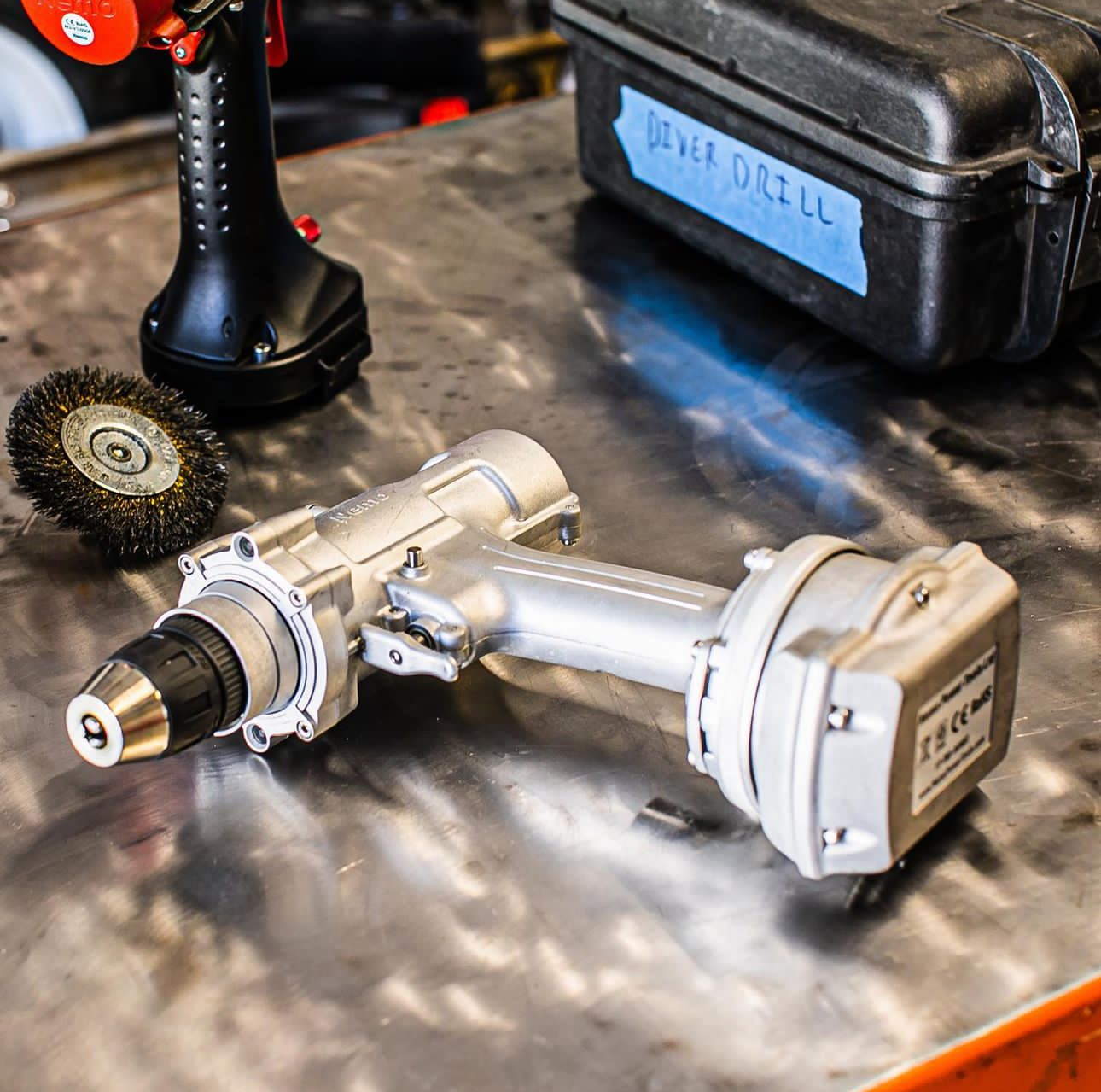
That day, I was installing shelves, something I’d done many times before. My drill had always performed flawlessly, so I didn’t expect any surprises. The battery was freshly charged, and I had even read the manufacturer’s instructions years ago when I first bought it. I thought I was doing everything right, but I overlooked one important detail: tool maintenance. According to the U.S. Consumer Product Safety Commission, over 10,000 injuries related to power tools occur in the U.S. every year. Most people, like me, don’t realize how quickly things can go wrong if you’re not careful. My garage, filled with sawdust and little ventilation, was far from an ideal workspace.
The Terrifying Flashpoint

Everything seemed normal until I noticed a faint, acrid scent. At first, I thought it was just a bit of friction from the drill bit. Within seconds, the smell intensified, and before I knew it, orange flames burst from the body of the drill. I dropped it instantly, my hands shaking as adrenaline kicked in. The fire spread fast, and for a terrifying moment, I thought my entire garage might go up in flames. My mind raced to remember where I’d left the fire extinguisher, only to realize I didn’t have one within reach. That feeling of helplessness was overwhelming, and it’s a scenario I hope nobody else has to face.
Digging Deeper: What Really Happened?
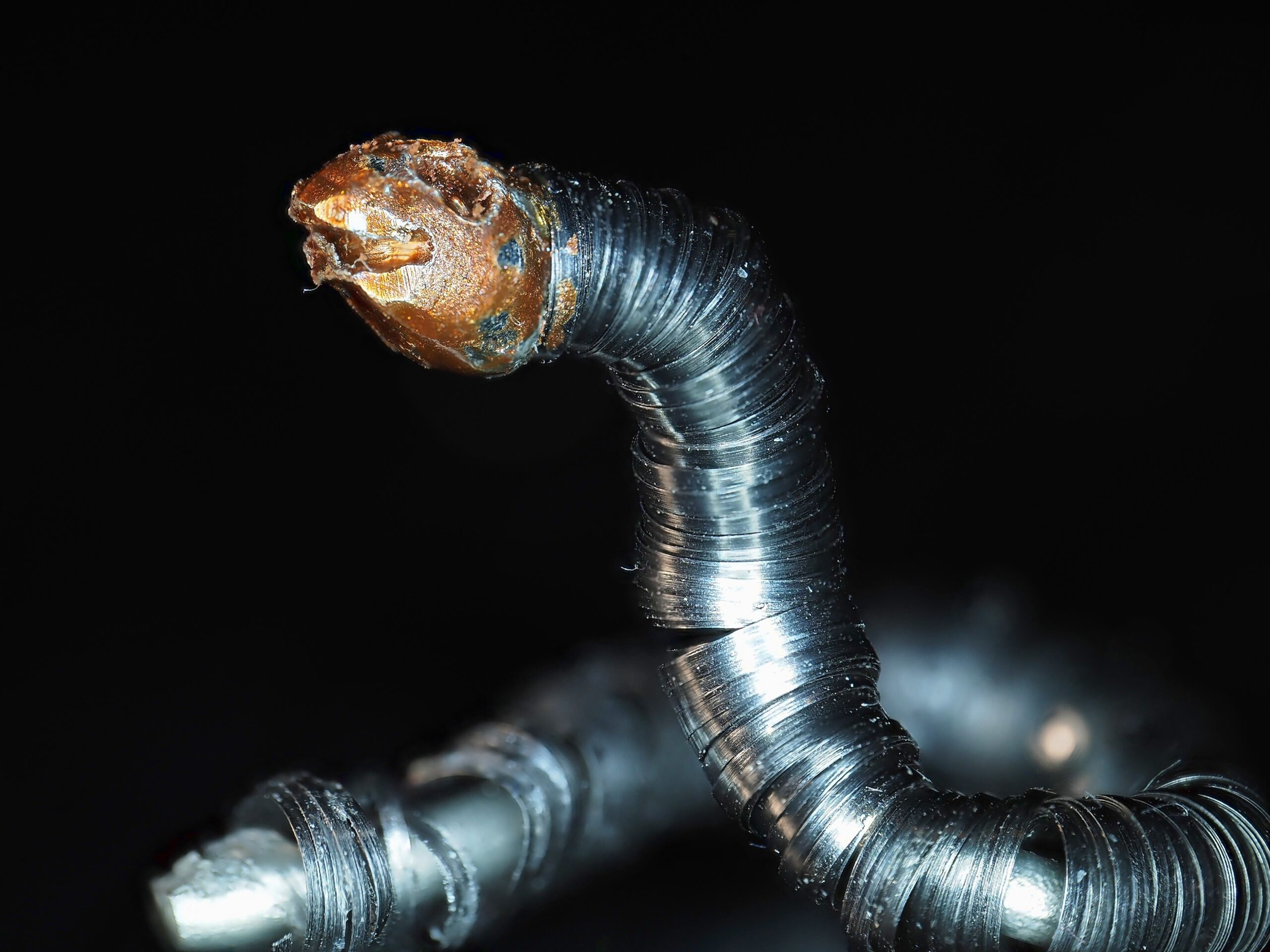
After the chaos subsided, I inspected the charred remains of my drill. It was clear the motor had overheated, but why? I remembered I’d been using the tool almost non-stop for over an hour, barely giving it a break. The ventilation holes were clogged with dust, blocking the air needed to cool the motor. Research from the National Fire Protection Association reveals that electrical malfunctions are among the top causes of fires involving power tools. In my case, the combination of overuse and poor maintenance created the perfect storm. It’s easy to underestimate how quickly a small problem can escalate into a disaster.
The Hidden Dangers of Neglect

Many people think power tools are tough enough to handle anything, but the truth is they need regular care. Dust, debris, and worn parts can all contribute to dangerous malfunctions. I had never cleaned out the drill’s vents, and I’d ignored small warning signs like occasional overheating or strange noises. According to experts, even a minor buildup of dust can trap heat and cause electrical components to fail. Looking back, I realize how much I took for granted. The lesson here is clear: it only takes a little neglect for things to go terribly wrong.
What I Wish I’d Known: Key Safety Lessons

This experience taught me more about safety than any manual ever could. Now, I’m hyper-aware of the signs that something is off—like a hot casing, strange smells, or erratic sounds. I learned that taking breaks during long projects isn’t just about preventing fatigue, but giving your tools a chance to cool down. Regularly checking for dust and cleaning the vents is a simple step that can prevent disaster. The Occupational Safety and Health Administration (OSHA) recommends inspecting tools for damage before each use, something I now do every time. These small habits can make a big difference.
Simple Steps That Make a Big Difference
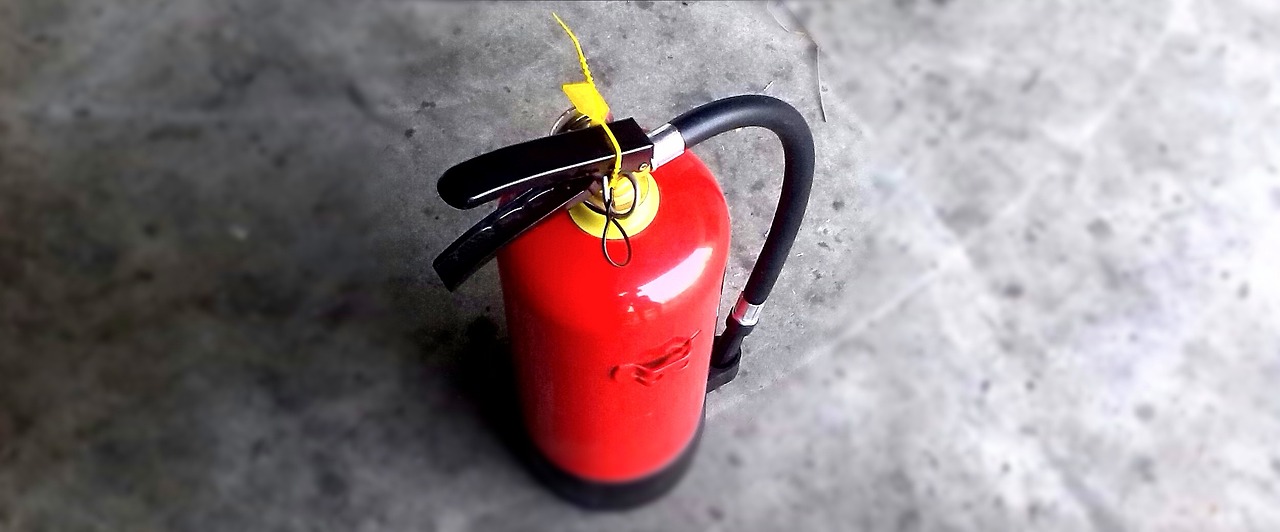
Since that day, I’ve made a few changes that anyone can follow. I always keep a fire extinguisher nearby, and I set timers to remind myself to pause and check my tools. I even created a checklist for routine maintenance, including cleaning, inspecting for cracks, and making sure the battery is properly cared for. According to OSHA, following these basic guidelines can greatly reduce the risk of accidents. I also make sure my workspace is well-ventilated and free of excess dust, which helps prevent both fires and health problems from airborne particles.
Why Education Matters More Than Ever

It’s shocking how little most people know about power tool safety. Many assume reading the manual once is enough, but risks can change as tools age or environments shift. More workshops and community programs could help spread vital information on safe usage and maintenance. Manufacturers have a responsibility too—they should provide clearer, more frequent safety reminders with their products. Simple posters or warning stickers could save lives. Most accidents, as research shows, are preventable with the right knowledge and habits.
Looking Ahead: Staying Safe for the Future
I’m now much more cautious with every project I take on. I share my story with friends and family so they don’t make the same mistakes I did. Staying updated on new safety recommendations is also key, as technology and standards evolve. The feeling of fear from that day lingers, but it’s also a powerful motivator to keep safety at the forefront. No home project is worth risking your wellbeing. Simple precautions can mean the difference between a routine day and a life-changing emergency.
The Unforgettable Lesson

The memory of those flames is burned into my mind—pun intended. I’ll never approach a tool the same way again. The most surprising part of this story is how quickly things escalated, and how avoidable it all was. If you take away one thing, let it be this: Respect your tools, maintain them, and always be prepared for the unexpected. Isn’t it amazing how a five-minute checkup can save you from disaster?