


- 5 Tools Every Homeowner Should Own (But Most Don’t) - June 2, 2025
- 5 Upcoming Tools That Will Make DIY Projects Easier - June 1, 2025
- I Built a Sauna in My Backyard – No Kidding - June 1, 2025
The Surprising Truth About WD-40’s Origins
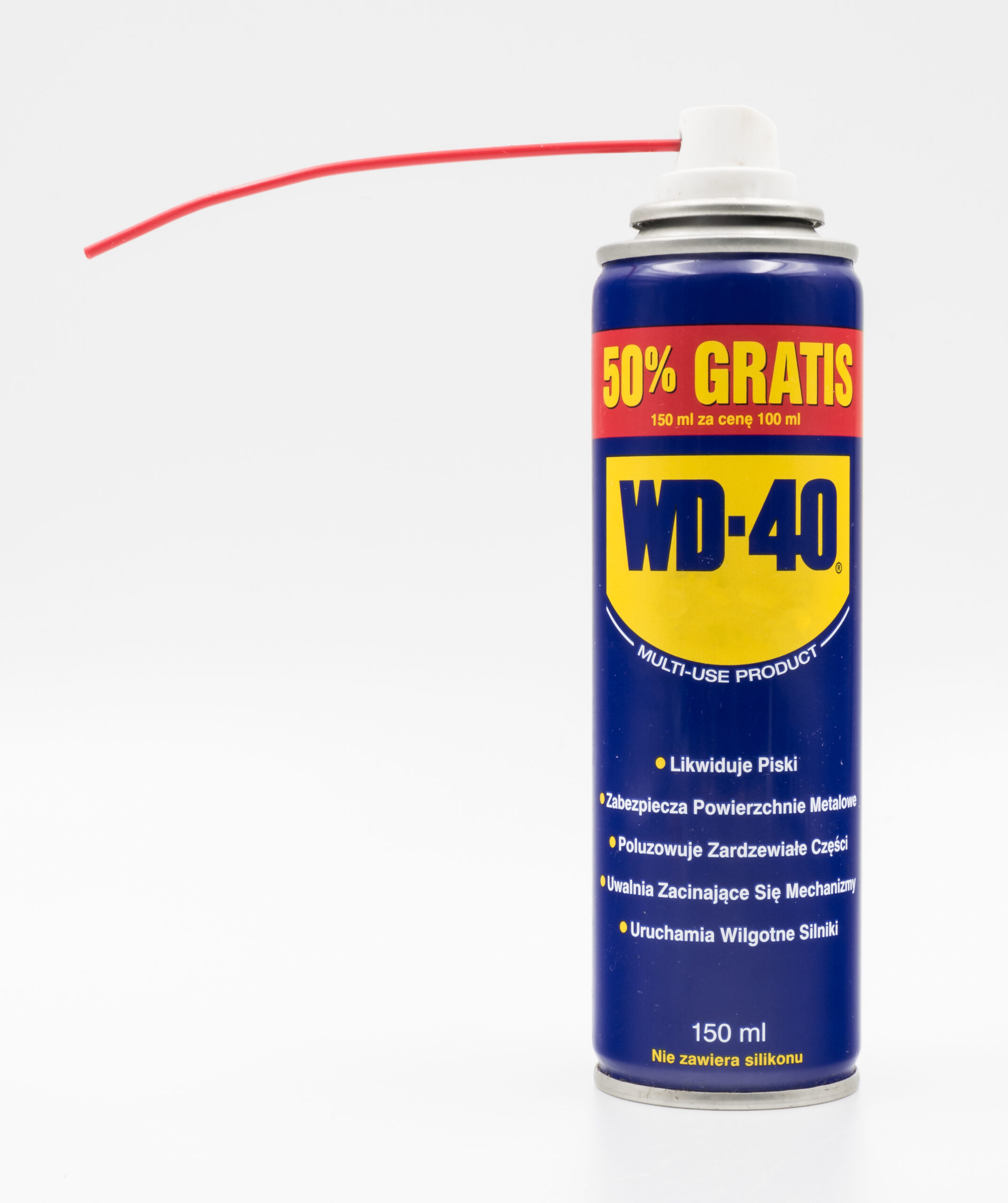
When you reach for that familiar blue and yellow can, you might not realize just how much history is inside. WD-40 was first developed in 1953 for the aerospace industry, specifically to protect the outer skin of the Atlas missile from rust and corrosion. Its name actually stands for “Water Displacement, 40th formula”—because it was the 40th attempt before the perfect blend was found. What’s truly shocking is that this product, now a household staple, started out as a closely guarded secret. For decades, people have used it for everything from squeaky hinges to stubborn stains, but few know about its scientific roots or that its main purpose wasn’t even lubrication.
What’s Really in WD-40?

Many people assume WD-40 is just an ordinary oil, but that’s far from the truth. The official formula remains a trade secret, but it’s generally known to contain hydrocarbons, mineral oil, and a blend of proprietary components. According to studies referenced by the National Institute of Health, its main power lies in its ability to displace water and break down rust. Unlike heavy-duty lubricants, WD-40 evaporates over time, which means it isn’t always the long-term solution people think it is. This chemical cocktail is designed to penetrate tight spaces, lift grime, and provide a short-term barrier against moisture. It’s this unique blend that makes WD-40 effective for certain tasks, but not all.
The Most Common WD-40 Mistakes Everyone Makes

It’s shocking how many people use WD-40 incorrectly. A recent survey by Popular Mechanics found that almost 60% of users admit to applying it in ways that actually do more harm than good. For example, spraying WD-40 on bike chains or intricate machinery can attract dirt and dust, turning a quick fix into a long-term problem. Some users even spray it on electrical contacts, thinking it will clean them, but it can leave a residue that interferes with performance. Others use it as a deep lubricant for locks, but over time, it can gum them up or wash away necessary grease. These mistakes are so common that experts now regularly warn against “overusing” WD-40 where it’s not suitable.
When and Where WD-40 Works Best

If you want to get the most out of WD-40, you need to know where it truly shines. It’s unbeatable for breaking loose rusted bolts or removing sticky labels from glass and metal surfaces. Spraying a light coat on garden tools before winter can keep them from rusting, and just a dab on a squeaky door hinge can bring silence for weeks. WD-40 is also a hero when it comes to removing crayon marks from walls or cleaning tar off your car’s paintwork. Just remember, its effects are often temporary—perfect for quick fixes, but not a substitute for proper maintenance. Using it sparingly and wisely is the key to success.
Why WD-40 Is NOT a Real Lubricant
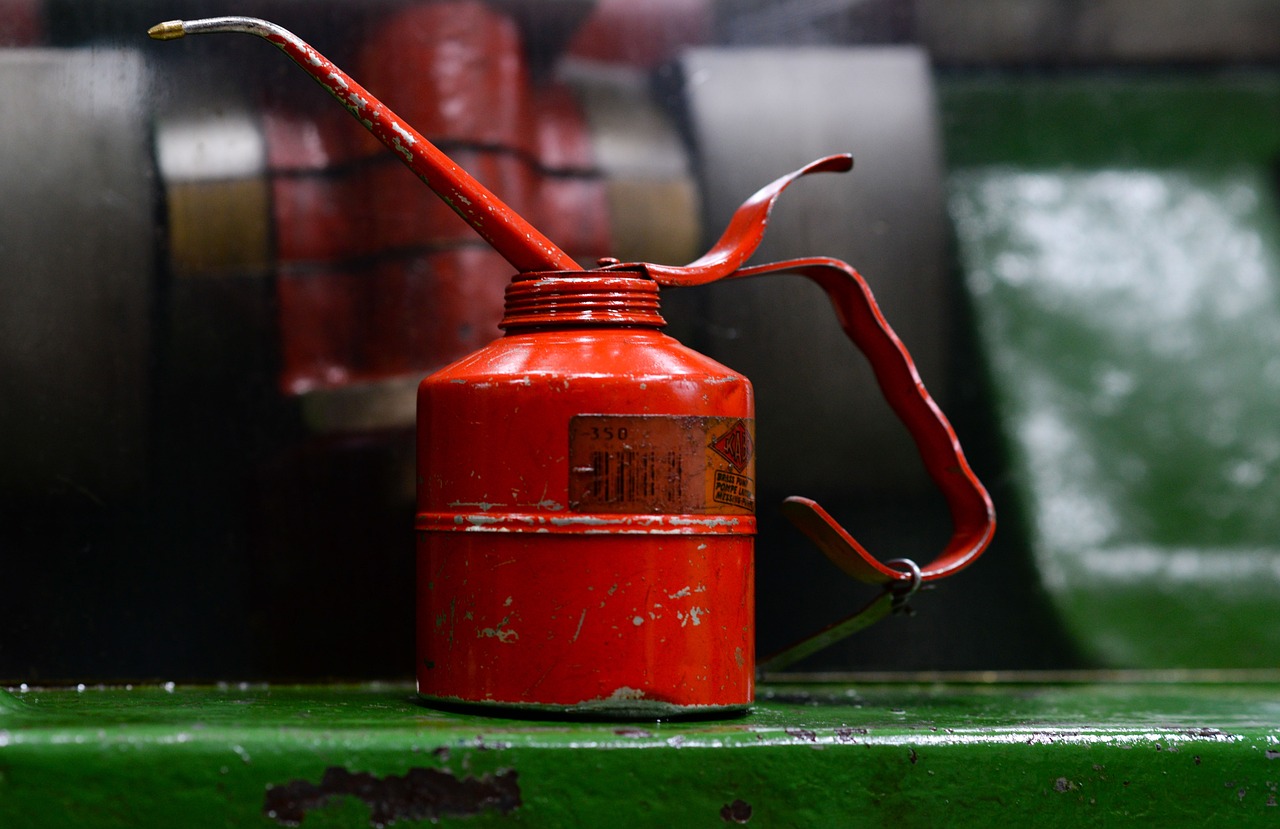
This might surprise you, but WD-40 is not a true lubricant. Its oiliness tricks people into thinking it will keep things running smoothly forever. In reality, it dries up relatively quickly, leaving surfaces exposed again. Mechanical engineers, as published by the American Society of Mechanical Engineers, recommend specialized lubricants like silicone or graphite for long-lasting results. For example, using WD-40 on your door lock might make it smoother for a few days, but repeated use can eventually wash out the proper lubricating grease. Always check the manufacturer’s advice before spraying—your tools and gadgets will thank you.
Safety First: What You Need To Know
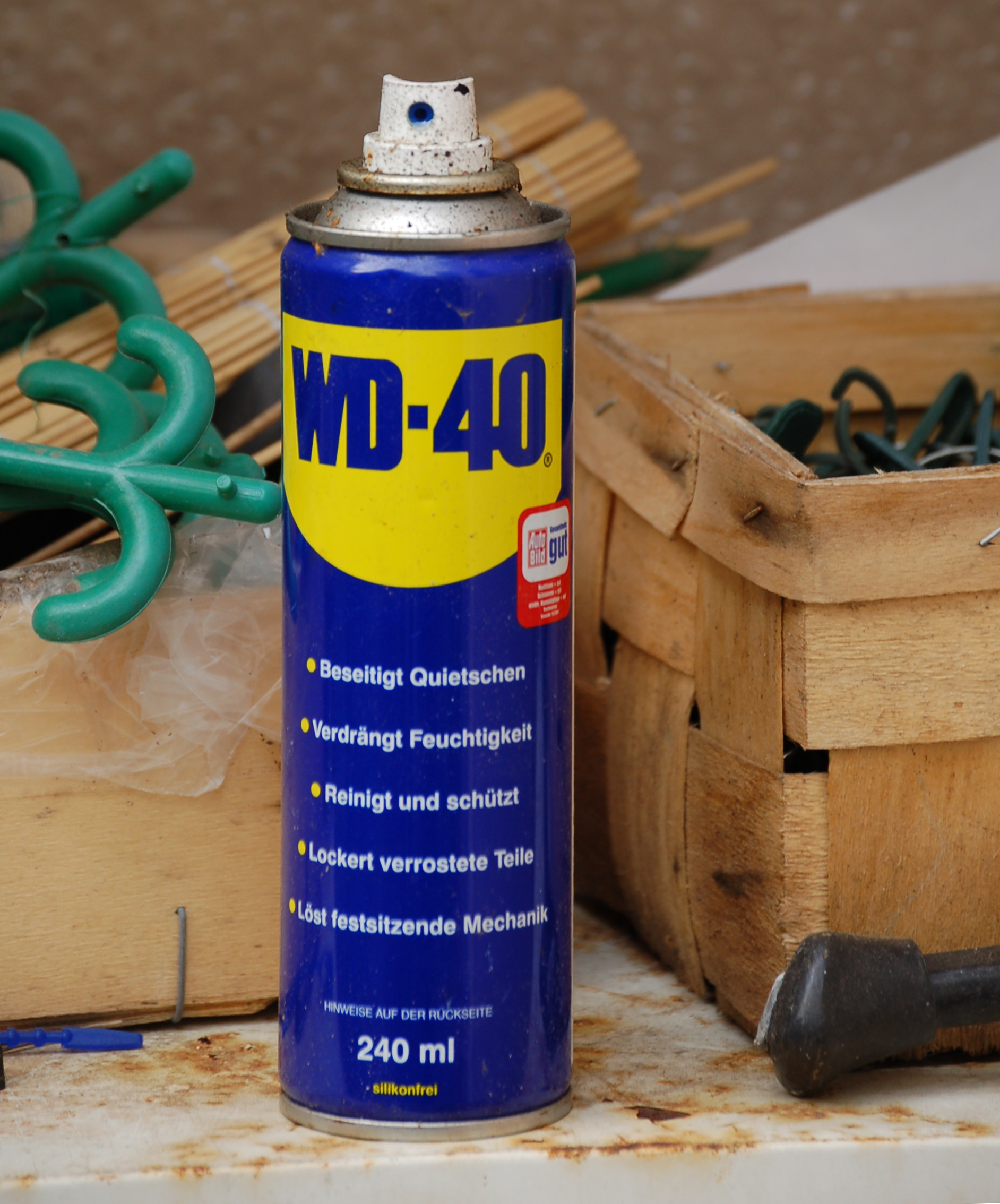
It’s easy to overlook safety when using something so familiar, but WD-40 is a powerful chemical. According to its official Material Safety Data Sheet, you should always use WD-40 in a well-ventilated area, as inhaling fumes can cause headaches or irritation. It’s flammable, so keep it away from open flames and high heat. Wearing gloves is a smart idea, since prolonged skin contact might cause dryness or mild irritation. If you get WD-40 in your eyes, rinse thoroughly and seek medical attention if irritation persists. These precautions might sound strict, but they’re there to protect you from accidents and health hazards.
Better Choices for Specific Jobs
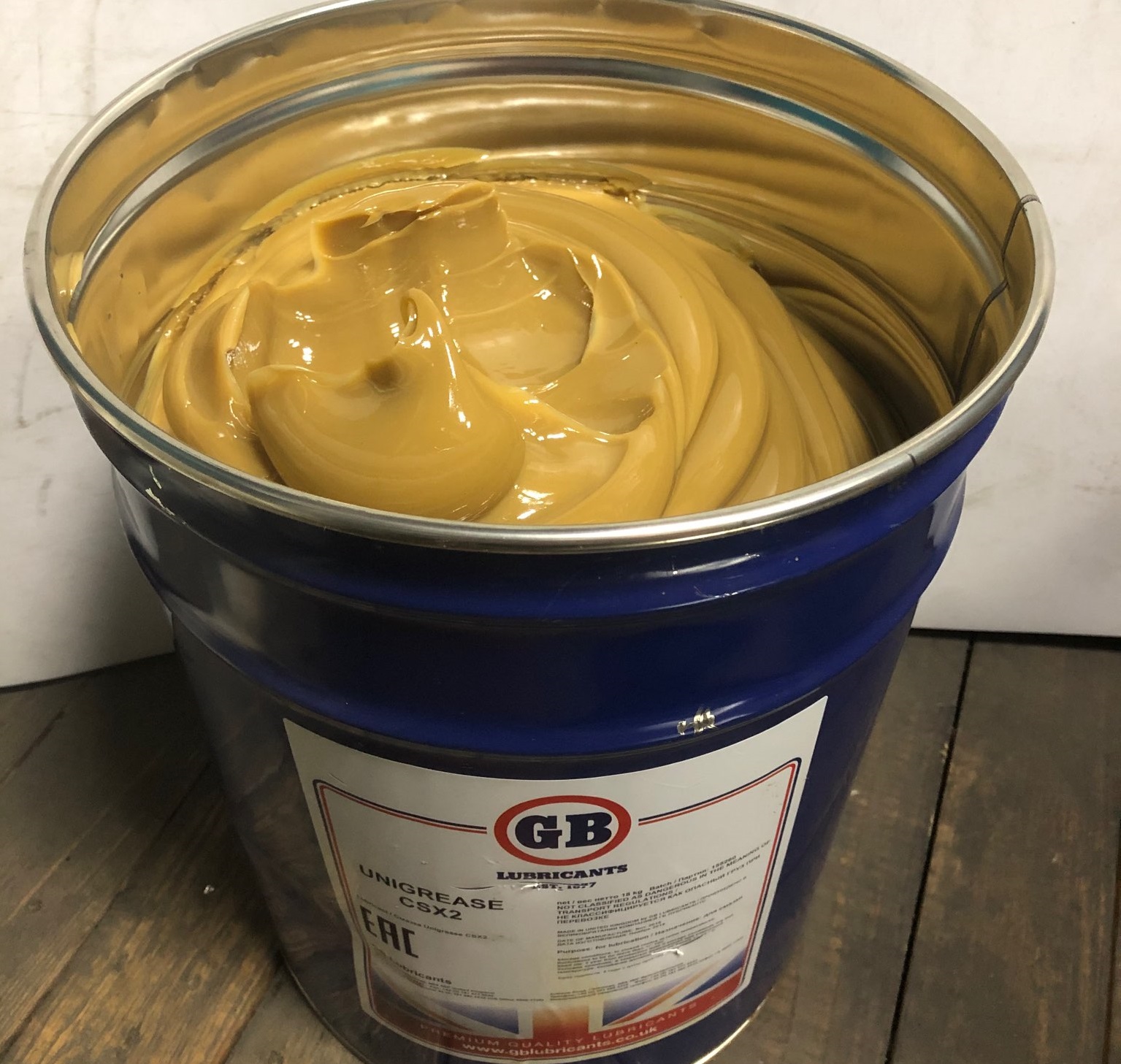
Not every problem needs a WD-40 solution. For lubricating plastic parts, silicone spray is less likely to cause deterioration or mess. Graphite powder is a classic choice for locks and hinges, providing smooth action without sticky buildup. Cyclists, in particular, should use dedicated bike lubricants, which stand up better to dirt and moisture than WD-40 ever could. The American Society of Mechanical Engineers has shown that using the right lubricant can extend the lifespan of moving parts by up to 30%. Knowing when to reach for a specialist product instead of WD-40 can save you time, effort, and money down the road.
A Gallery of WD-40’s Best and Worst Uses
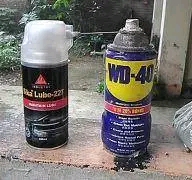
Let’s break it down simply. Here’s where WD-40 truly shines:
– Loosening rusted bolts and nuts
– Silencing squeaky hinges
– Removing sticky residues from glass, metal, or plastic
– Protecting garden tools from rust during storage
– Cleaning tar, sap, or adhesive from cars
Here’s where you should avoid it:
– Bike chains (attracts dirt and wears out quickly)
– Electrical contacts (can cause residue buildup)
– Locks (washes away proper lubricants over time)
– High-speed bearings or precision machinery
– Lubricating plastic parts (risk of damage)
Knowing these examples can help you make smarter choices and get better results with every spray.
Unexpected Ways WD-40 Can Save the Day

Sometimes, WD-40 works its magic in the most surprising ways. Have a stubborn zipper that won’t budge? A light mist of WD-40 can have it sliding smoothly again. Accidentally got gum in your hair or on your carpet? WD-40 can dissolve the sticky mess without damaging fabrics. Kids colored on the wall with crayons? WD-40 wipes it away in seconds, leaving paint untouched. Even old, squeaky shoes can benefit from a quick spray to quiet them down. These clever hacks show that, while WD-40 isn’t a miracle cure for everything, it can be a real lifesaver in a pinch.
Key Takeaways for WD-40 Mastery

WD-40 is a fantastic tool, but only when you use it the right way. Always remember it’s not a permanent lubricant, and there are safer, more effective products for some tasks. Stick to its strengths—rust removal, moisture displacement, and quick fixes—while leaving long-term lubrication to specialty products. Use it in a well-ventilated area and follow safety advice on the can. By understanding what WD-40 can and can’t do, you’ll get better results and make your tools last longer. How many of these tips did you already know?